
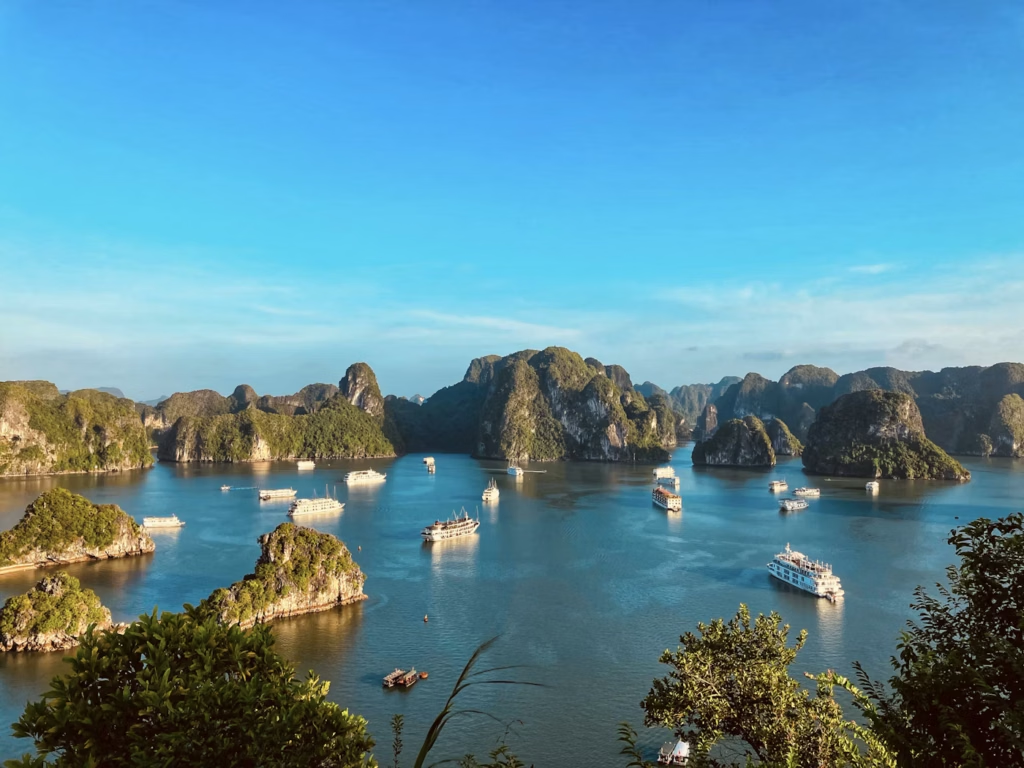
Vietnam rewards a little preparation before you go. Before booking that street-food tour in Hanoi or beach stay in Da Nang, make sure your passport, visa and travel details are ready for your itinerary.
This practical guide is written for travellers departing Australia. Visa rules are based on the passport you travel with, not where you live or where your flight departs from, so check the rules for every traveller in your group.
At a glance: what documents do I need for Vietnam?
- A passport valid for at least six months from your arrival date is a widely published entry requirement. Check your passport now and allow time to renew it if needed.
- Australian ordinary passport holders generally need a visa for Vietnam. The e-visa is a common option, but check whether an exemption or another visa category applies to you.
- Vietnam e-visas can be issued for up to 90 days, for single or multiple entry. Choose the option that matches your trip.
- Carry a copy of your approved visa and your accommodation and onward-travel details. Your airline may ask to see travel documents before boarding.
1. Check your passport
Check that your passport is valid for at least six months from the date you arrive in Vietnam. If it is close to expiry, contact the Australian Passport Office about renewal before you apply for a visa or travel.
Use the same passport details throughout your visa application and trip. If you renew or replace your passport after receiving a visa, contact the Vietnamese immigration authorities or embassy for guidance before departure; a visa linked to old passport details may not match your new document.
2. Check whether you need a visa
Visa requirements depend on your nationality, passport type, purpose of travel, length of stay and route. Australian passport holders should check the current rules before travelling. Many Australian holidaymakers apply for a Vietnam e-visa in advance.
Vietnam offers visa-free entry to citizens of some countries for limited stays, and special conditions can apply to certain destinations such as Phu Quoc. These exemptions are nationality- and itinerary-specific. Do not assume that living in Australia, holding an Australian visa or visiting only one island means you qualify for visa-free entry.
For a trip that includes a stop in another country, count how many times you will cross back into Vietnam. This is easy to overlook on a multi-country Southeast Asia itinerary.
3. Apply through the official e-visa portal
Apply through the Vietnamese Immigration Department’s official e-visa portal. The official immigration site says e-visas may be valid for a maximum of 90 days, with single or multiple entry. Fees are paid online and are not refunded if an application is refused.
Have your passport information and a suitable digital photo and passport image ready. Enter your name, passport number, dates and intended entry point exactly as shown on your documents and itinerary. Before submitting, carefully review every field.
Processing times can vary, so apply well before your departure and wait until you have the approved document before travelling. Be cautious of unofficial websites that look like government services or charge extra agency fees.
4. Match your visa to your itinerary
Check the entry and exit points stated on your visa against your flights or land-border plans. If your itinerary changes, confirm that the visa still covers the new route and dates. A single-entry visa is used when you enter Vietnam; if you leave and come back, you will generally need multiple-entry permission or another valid visa.
5. Keep these travel details accessible
- Your passport and approved visa, saved offline and printed as a backup.
- Return or onward flight details and your first accommodation address.
- Travel insurance policy details and emergency contacts.
- Copies of important documents stored separately from the originals.
Keep your passport secure while travelling and follow any instructions from airline staff and Vietnamese immigration officials. Requirements can change, and the airline can check documents before boarding.
Travelling with children or on a different passport?
Check the requirements separately for each person. A child’s visa and passport arrangements may differ from an adult’s, and dual nationals should confirm which passport they will use to enter and leave Vietnam. If your circumstances are unusual, ask the Vietnamese embassy or immigration authorities before you travel.
Vietnam travel document checklist
- My passport meets the current validity requirement.
- I checked visa rules for the passport I will use.
- My approved visa covers my travel dates, entries and entry point.
- My flight and accommodation details are easy to access offline.
- I checked official sources again shortly before departure.
Official sources to check before you go
Before booking and again before departure, check the Vietnamese Immigration Department e-visa portal, Vietnam Tourism visa information, the Embassy of Vietnam in Australia and the Australian Government Smartraveller Vietnam advice.
Travel requirements can change without notice. This article is general information, not immigration or legal advice. Confirm the current requirements for your passport and itinerary with official sources before booking and again before departure.